A deep clean is a scope, not an intensity. It reaches the surfaces a weekly clean never touches: inside the appliances, the tops of the wall units, behind the cistern, the extractor filter, the grout lines, the skirtings, the tops of doors and the backs of radiators. What follows is that scope room by room, and then the part almost no checklist publishes, which is the list of jobs that are not in a deep clean as standard.
What separates a deep clean from a very thorough regular clean?
Three things, and the first is how the job is bounded. A regular clean is scoped by time and by the surfaces in daily use, so it finishes when the time is up. A deep clean is scoped by a list of surfaces and finishes when the list is finished, which is why it is quoted against the property rather than against an hourly slot.
The second is dismantling. A regular clean wipes the hob. A deep clean lifts the burner caps and pan supports, pulls the metal mesh filter out of the extractor hood, takes the racks and runners out of the oven, removes the extractor fan cover in the bathroom and opens the washing machine detergent drawer housing. The third is what the job is for: a deep clean resets a baseline, and a regular visit holds one. If the clean is pinned instead to a handover date, an inventory and a deposit, that is end of tenancy cleaning, which is scoped to a clerk’s checklist rather than to how you want to live, and it is a different booking.
The kitchen, appliance by appliance
This is the longest list in the house and it is where a scope earns its keep, because the difference between a good kitchen deep clean and a poor one is entirely in the items nobody mentions when booking.
Oven interior: roof, floor, sides, side racks and runners, the shelves, and both faces of the door glass
Hob: burner caps and crowns, pan supports, the trim and the seal where the hob meets the worktop
Extractor hood: canopy, housing, lamp cover, and the metal mesh grease filter soaked and washed; a charcoal filter is a replaceable part, not a cleanable one
Fridge and freezer: shelves, salad drawer, door seals and the drip channel at the back of the fridge floor, which is the item most often missed
Microwave inside, including the roof and the turntable ring
Washing machine: detergent drawer, the housing behind it, the fold of the door seal and the filter trap
Dishwasher: filter, spray arms and the door seal
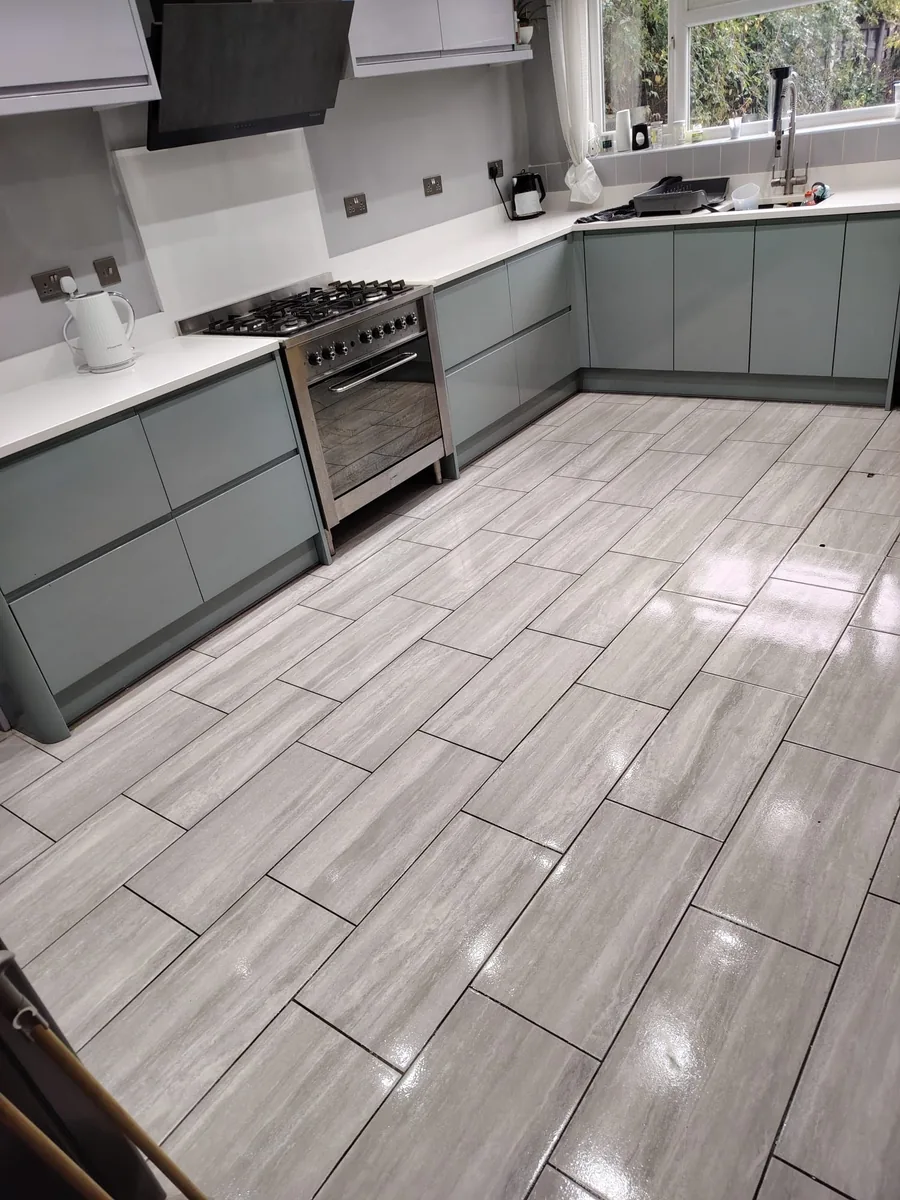
Wall and base units: fronts, handles, toe kicks, and the tops of the wall units where airborne cooking fat settles and then holds dust
Inside cupboards and drawers wherever they are empty
Tiles, splashback and grout, the wall behind the hob and the ceiling directly above it
Sink, taps, the base of the taps, the waste and the overflow
Worktops including the joint at the back and the sealant line against the wall
Behind and under the freestanding appliances wherever they can be moved safely
Bin, bin lid, and the floor underneath it
Floor including the edges, the skirting and the door threshold
The bathroom, and why it takes longer than its floor area suggests
A bathroom is the smallest room in most houses and routinely the second longest job in a deep clean. The soil is bonded rather than settled, the surfaces are absorbent in exactly the places you cannot see, and half the list is things that have to be taken apart.
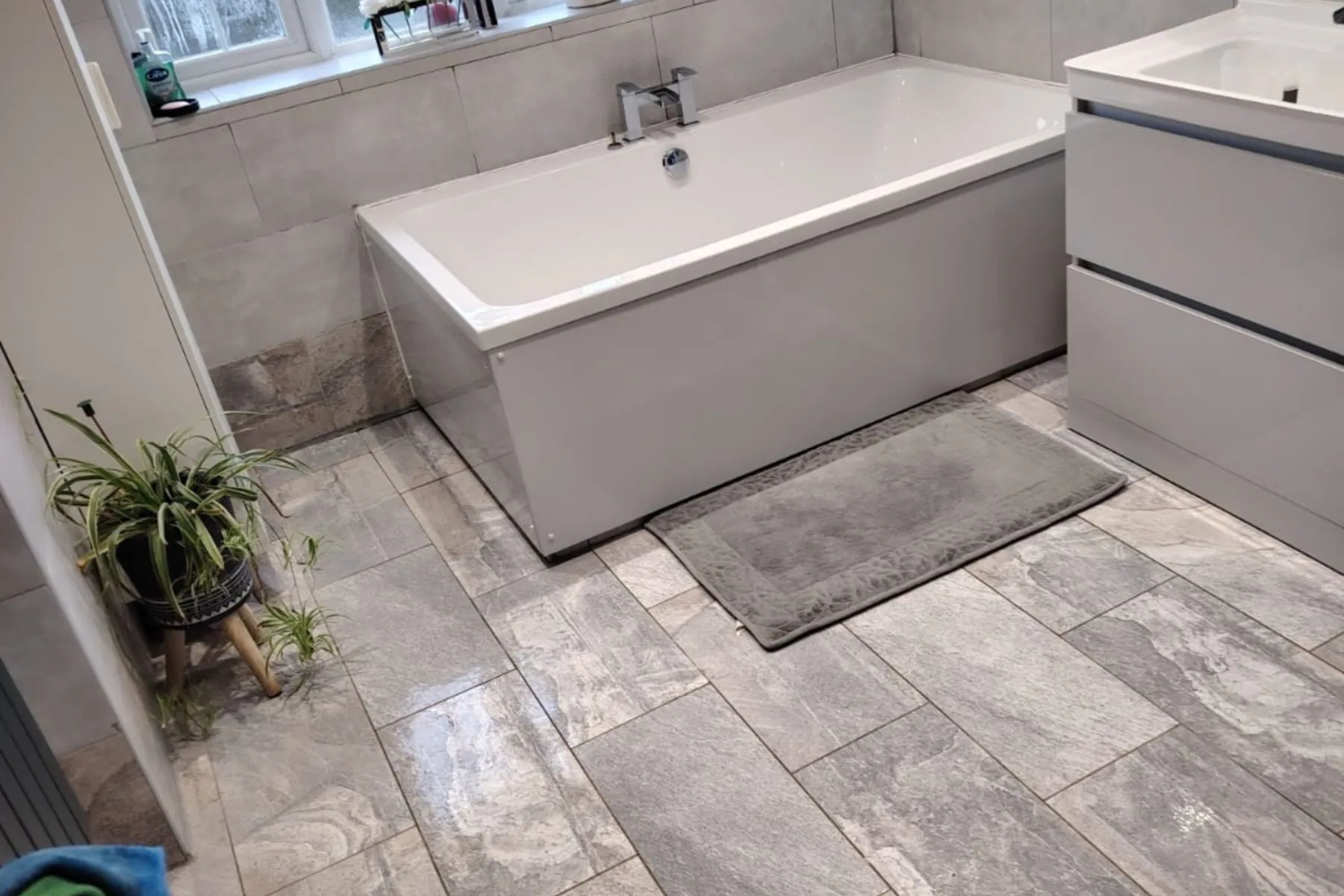
Grout lines on walls and floor, worked rather than wiped
Silicone at the bath, tray, basin and worktop junctions, cleaned and reported on honestly
Shower screen glass on both faces, the bottom seal and the track it sits in
Shower head, hose and riser rail
Bath panel, the surround, and behind the taps
Waste outlets, strainers and the overflow on both bath and basin
Toilet: pan, the underside of the rim, seat and hinges, cistern, behind the cistern, the soil pipe and the base where the pan meets the floor
Extractor fan cover removed, washed and the grille cleared
Mirror, cabinet, towel rail or radiator including the back and the pipework
Tiles, floor edges, the door, the door frame and the top of the door
Living rooms and dining rooms
The living areas move quickly compared with the wet rooms, because most of what is there is settled dust rather than bonded soil. The work is in the edges and the horizontal surfaces at heights nobody looks at.
Skirtings, architraves and door frames, washed rather than dusted
Panelled doors including the top edge, plus handles, finger plates and hinges
Light switches, socket faces and thermostat
Picture rails, dado rails, cornices, ceiling roses and any plaster mouldings
Radiators, including behind and between the fins and the valves
Window sills, internal frames, and ground floor glazing from the inside
Curtain poles, blind headrails and slats where they can be reached safely
Mantelpieces, hearths, the tops of frames, shelves and vents
Floors, including the corners and under moveable furniture
Upholstery, rugs and fitted carpets are the exception. Vacuuming is part of the clean; hot water extraction is a different machine, a different chemistry and its own drying time, so it is booked as carpet cleaning rather than assumed into the scope.
Bedrooms, and what is realistic with the furniture in place
Furniture is the honest limit here and it is better said in advance than discovered on the day. A wardrobe that can be moved safely by two people gets moved. A fitted wardrobe, a divan with drawers under it, a loaded bookcase and a heavy chest on carpet stay where they are, and so does a bed that has already been made up.
What is realistic is still substantial: under the bed where it slides, the top of the wardrobe, inside the wardrobe where it is empty, mirrors, skirtings, radiator backs, window sills and internal frames, light fittings and lampshades, the tops of doors and the frames. What is not realistic is a room full of belongings. A deep clean is a clean, not a tidy, and the tidying has to happen first, by whoever owns the belongings, or the hours go into moving objects rather than cleaning surfaces.
Hallways and stairs, especially in older housing
Halls and stairs get more traffic than any other part of a house and almost no attention, and in Birmingham’s Victorian and Edwardian stock they carry the most detail. A staircase in a period house in Harborne or Edgbaston means turned spindles individually, the string and the newel post, the nose of every tread, the corners where a carpet meets the riser, deep skirtings up the flight, and a long handrail that is handled every day and washed almost never.
The rest of the list is the front door and its ironmongery, the letterbox, the meter cupboard, the reveal of a stained glass fanlight, landing light fittings, the top of the picture rail, and the original encaustic or quarry tiled floor found in a lot of hall entrances here, which needs the right chemistry rather than the strongest one available. In a converted house or a block, the communal stair is the part that belongs to everyone and therefore to nobody, and it is usually the single dirtiest surface in the building.
What is not included as standard?
This is the section other checklists leave out, and it is the one that prevents an argument. None of the following is unreasonable to want. All of it is a separate line, a separate trade or a separate day, and you should ask rather than assume. The oven interior is not on this list, because it is part of our deep clean as standard; it is the item most often carved out of a cheap quote elsewhere, so whoever you book, confirm it in writing.
Carpet, rug and upholstery cleaning by hot water extraction, which is a separate service with its own drying time
Exterior glass at any height, which is window cleaning with a pole from the ground rather than a cloth
Lofts, garages, sheds, cellars and outbuildings
Clearance and rubbish removal, since a clean is not a house clearance and the two are easily confused
Anything needing access equipment: high stairwell voids, double-height ceilings, a light fitting over a stairwell
Repairs of any kind, including regrouting, replacing a failed silicone bead, unblocking a waste or refitting a fan
Mould treatment offered as a permanent fix, which it is not, for the reasons set out in mould on silicone sealant
Gardens, patios, bins and gutters
Moving heavy, plumbed-in or built-in appliances
Why do the kitchen and bathrooms take most of the hours?
Because the soil there is bonded to the surface rather than resting on it. Dust wipes away. Airborne cooking fat lands, oxidises, goes tacky and then traps dust in itself, so removing it means breaking down a film rather than lifting a layer, and it needs dwell time that cannot be rushed. Soap and body oils do something similar in a bathroom, and grout and sealant are absorbent in ways glazed tile is not.
The second reason is that both rooms are full of assemblies rather than surfaces. An oven is five separately cleaned parts. An extractor hood is three. A shower is a screen, a track, a seal, a tray, a waste, a head and a hose. A bedroom of the same floor area is essentially four walls and a floor. That is the whole explanation for why two kitchens of identical size can differ by hours, and it is also why a quote given without seeing them is a guess.
How long does a deep clean genuinely take?
Longer than most people expect, and the property size is only half the answer. As an indicative shape: a one or two bedroom flat in reasonable condition is usually a single long day on site. A three bedroom house with one bathroom is a long day to a day and a half. Add a second bathroom, a heavily used kitchen, an oven that has never been done, or period detailing throughout, and it becomes two days.
Condition moves that far more than floor area does, which is set out in more detail in what actually changes a deep cleaning quote. A large, plain, well-kept house in Solihull can take less time than a small terrace where the kitchen has been through six tenancies. Anyone giving you a fixed duration on the phone, without asking about the kitchen, the number of bathrooms and how long it has been, is quoting a category rather than your house.
The useful thing to do before booking anything is to write down the three items that are actually bothering you, whether that is the oven, the grout, the extractor or the room nobody has cleaned since the extension went on. Send that when you get in touch, tell us how many bathrooms there are, and we will scope against it and give you a price and an estimated time before we start rather than after.
Deep Cleaning in Birmingham: what we actually see
Scope changes with the housing, and Birmingham gives you a very wide range of it inside a few miles. A large period house on the Calthorpe Estate in Edgbaston or off Lordswood Road in Harborne has deep skirtings, panelled doors, picture rails, sash boxes, original tiled hall floors and three storeys of internal glazing, and every one of those is a line on a deep clean scope that a modern flat simply does not have.
Out towards Solihull and Knowle the houses are larger but plainer inside, and the hours move somewhere else: bigger kitchens with more appliance interiors, utility rooms, second and third bathrooms, and orangeries or garden rooms with a lot of internal glass. Neither type is harder than the other. They are different lists, which is exactly why a scope agreed in advance is worth more than a headline description.
We do this work across Birmingham and the West Midlands. If you want the detail on how we do it and what it costs, see our
deep cleaning service,
or read about the areas we cover it in most:
Edgbaston, Harborne and Solihull.
Ready to see the difference?
Adefem Concepts Solutions Ltd. is insured, locally owned, and based in Selly Oak, Birmingham.