The Landlord Changeover: Turning a Birmingham Let Around Fast
·8 min read·End of Tenancy Cleaning
Turning a Birmingham let around quickly is a sequencing problem, not a cleaning problem. Repairs, decorating and carpets all generate mess, so the clean has to be the last thing that happens and the check-in inventory has to be the last thing after that. Get the order wrong and you either pay for the clean twice or hand a tenant a property with filler dust along every skirting.
Why is the void the real cost, not the clean?
Because a void day is income that never comes back, and the clean is a single fixed item that happens once per changeover whatever else you do. That makes the useful question how few days the property stands empty, not how cheaply it can be cleaned. Those two questions frequently have opposite answers. The cheapest quote is often the one with the longest lead time, and a fortnight of waiting for a slot costs a great deal more than the difference between two prices.
It also matters more than it used to, because there is simply more rented property here. The Office for National Statistics recorded 22.6% of Birmingham households renting privately at the 2021 census, up 4.7 percentage points in a decade and the largest tenure shift in the city. More changeovers, competing for the same trades, in the same weeks.
What order should the work actually go in?
Clearance first: the outgoing tenant’s belongings, rubbish and anything left in the loft or the garage, so the trades can work
Repairs second: plumbing, electrics, the boiler service, damaged plaster, sticking windows, the certificates
Decorating third, because paint, filler dust and masking debris land on everything below them
Carpets fourth, cleaned or replaced once nothing above is going to drop dust onto them
The clean fifth, when nothing is left in the property that will make more mess
The check-in inventory last, on a property nobody has walked through since
The logic is that every stage contaminates the stage beneath it. Sanding a filled patch puts a fine grey film on the sill, the skirting and the top of the door below it. A plumber lifting a bath panel puts dust on the floor. Certificates and safety checks do not generate mess and can happen anywhere in the sequence, so they are the flexible items. Everything else has a fixed place in the queue.
Why is cleaning before the decorator money burned?
Filler dust is the finest material in the building and it takes days to settle. It travels between rooms, it sticks to fresh gloss, and it lands preferentially on exactly the horizontal edges a clerk runs a finger along: the tops of skirtings, the window reveals, the door frames, the sills. On top of that you get paint speckle on sockets and switch plates, tape residue on frames, and a ring of dried emulsion in the sink where the roller sleeve was washed out.
A cleaner booked before the decorator cleans a property that is about to be dirtied again. You then either pay for a second visit or hand over a flat that looks finished from the middle of the room and unfinished from three feet away. The only thing genuinely worth doing before the trades arrive is clearance, because a property full of the last tenant’s furniture slows every job that follows.
Where do the carpets sit in the sequence?
After the decorator, before the clean, and with drying time allowed. A carpet cleaned before decorating gets walked on by someone carrying a paint kettle. A carpet cleaned the morning of a check-in is still cool underfoot and a careful clerk will write that down. Allow a day with the heating on and the trickle vents open, and the question does not arise. The practical detail is in our note on carpet cleaning, including why furniture legs mark a damp pile.
The honest exception: if a carpet is being replaced, do not pay anybody to clean it first, including us. That happens more often than it should, usually because the clean was booked before the decision on the carpet was made.
Did the law change in 2026, and does it affect the turnaround?
It changed the dates, not the cleaning. The Renters’ Rights Act 2025 received Royal Assent on 27 October 2025 and its main provisions commenced on 1 May 2026 in England. Assured shorthold tenancies are abolished, existing ones became assured periodic tenancies on that date, fixed terms are gone, and section 21 has gone with them. This is England only: Scotland, Wales and Northern Ireland run different systems.
For a changeover the practical effect is that end dates now arrive as tenant notice rather than as a fixed term you diarised a year in advance. Lead times are shorter and less predictable, which makes a standing arrangement with your trades worth more, not less. What the Act did not do is change anything about cleaning. It relabelled the Housing Act 2004 deposit provisions and left the Tenant Fees Act 2019 caps in place, so the position is what it was: you cannot require an outgoing tenant to pay for a professional clean, and you can deduct from the deposit to return the property to its check-in condition where the evidence supports it. The MHCLG guidance that stated this in terms was withdrawn in May 2026, and the law behind it is unchanged.
What should you check before the new tenant arrives?
Every tap run and every waste checked for a slow drain, because a blocked basin on day two is a call-out you pay for
Window keys, door keys and key safe codes, with the number of sets written down
Smoke and carbon monoxide alarms tested, with the date of the test recorded
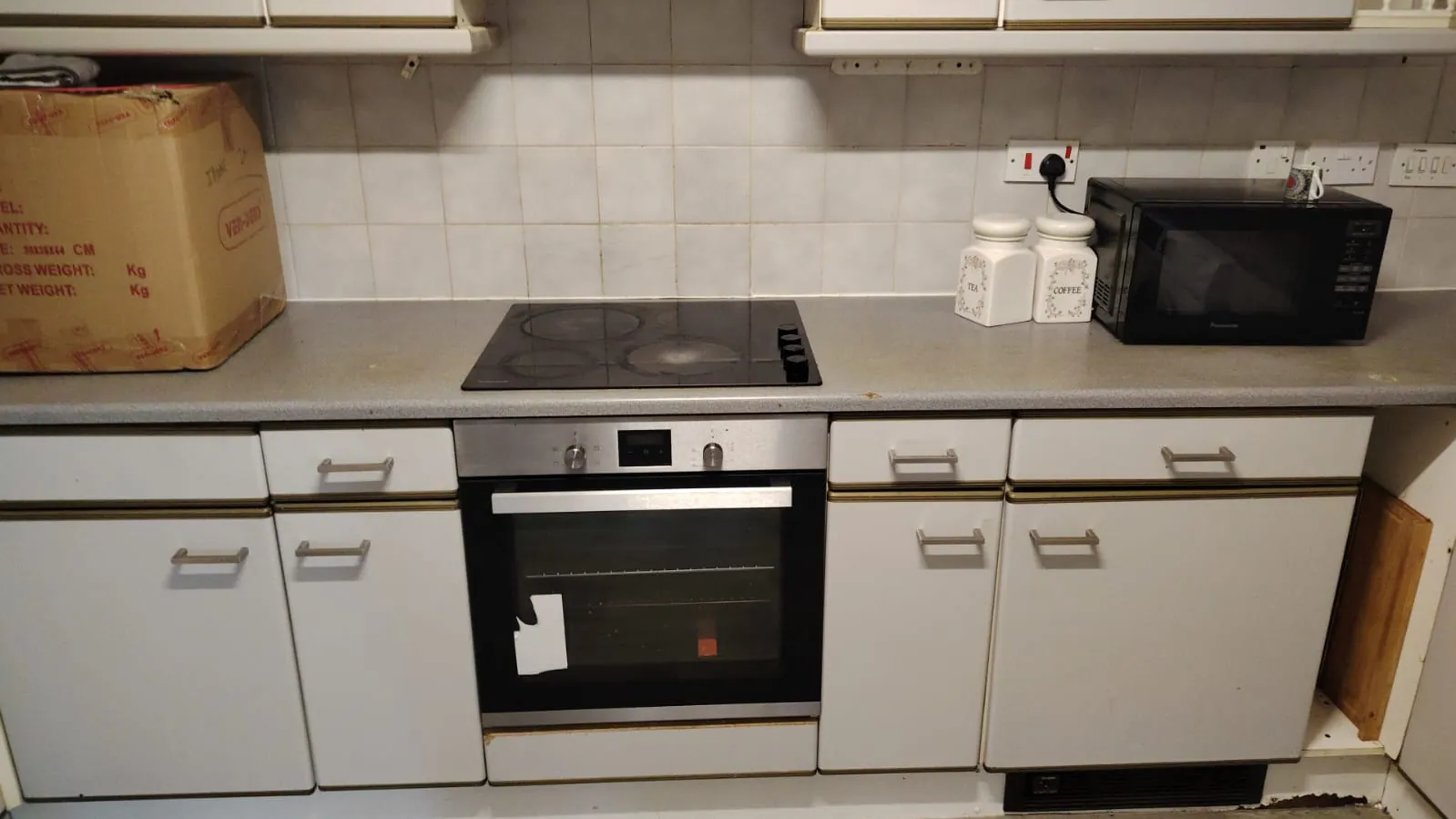
The oven, the hob and the extractor filter, which are the three things a tenant notices in the first week
Meter locations and serial numbers photographed alongside the opening readings
The bin store, the collection day, and how many containers actually belong to the property
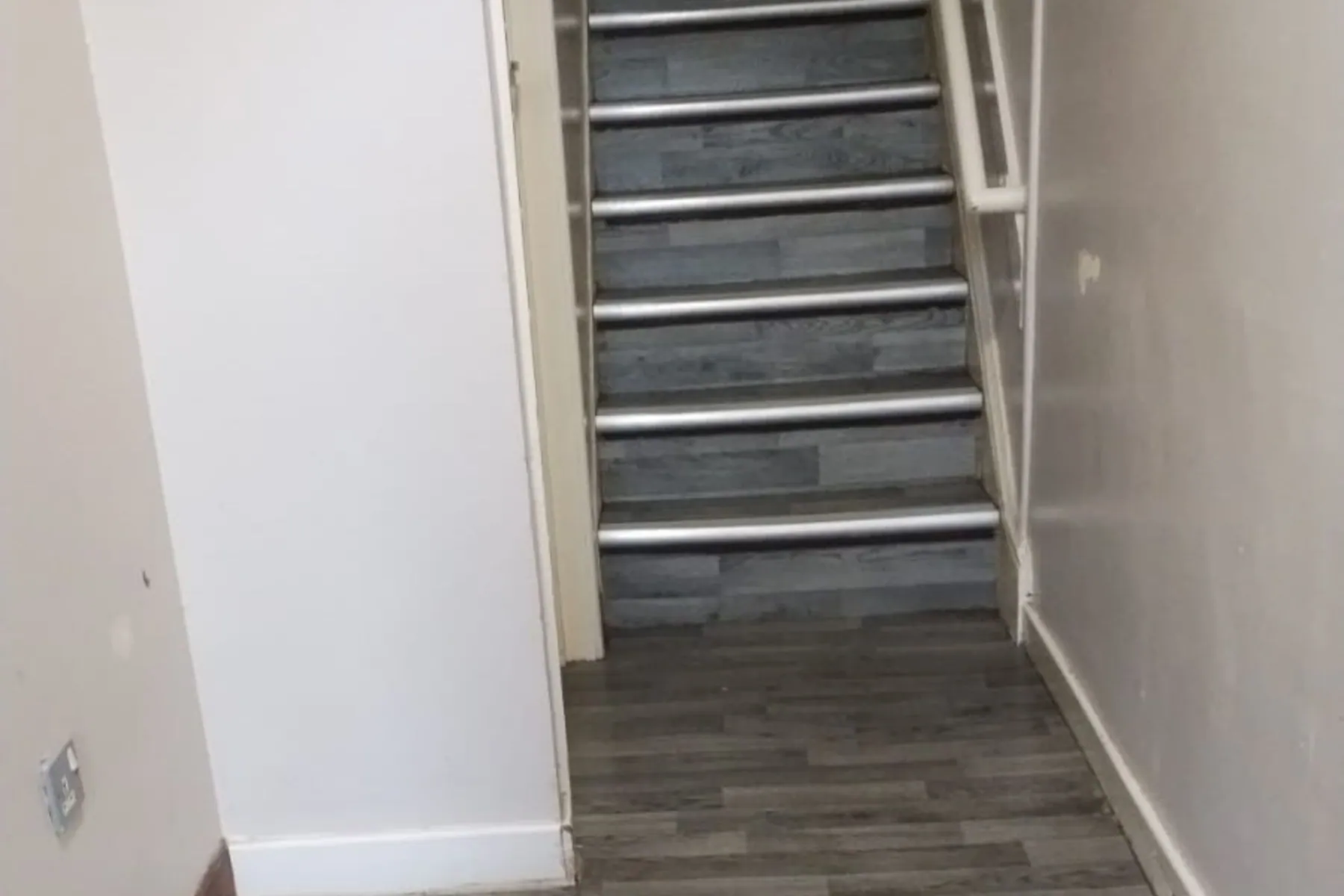
Loft hatch, under-stairs cupboard, shed and garage, which is where the last tenant left things
None of that is cleaning, and all of it lands on the same visit. It is worth walking the property once with this list before you release the keys, because every item on it becomes a phone call otherwise, and phone calls in the first fortnight set the tone for the rest of the tenancy.
How do you build a check-in inventory that holds up?
With photographs, and with the understanding that nothing about the format is prescribed. Inventories are not regulated by statute in England and there is no legally mandated form. Adjudicators simply weigh whatever evidence the parties supply. The Tenancy Deposit Scheme’s Director of Resolution set out in December 2025 that photographic or video inventories remain the single most effective way to support a claim, that they work best compared like for like at check-out with similar lighting and camera angles, and that adjudicators can only decide on the evidence actually provided.
So: a wide shot of every room, then close work on the five things that get argued about, which are the oven interior, the carpets in the traffic lanes, the grout and sealant, the garden and the walls. Date-stamped, signed, copy to the tenant. Two other things are worth knowing. Adjudicators apply betterment, so a claim for a new carpet after a long tenancy will be reduced to reflect the life the carpet had already used. And the deposit must be protected and the prescribed information given within 30 days under sections 213 and 214 of the Housing Act 2004; if it is not, the court can order the tenant paid between one and three times the deposit, at its discretion. Three is the maximum, not the default.
How long does a two or three bedroom turnaround take?
Separate the clean from the project. On an empty two bedroom flat in reasonable order, the clean is usually a long working day. A three bedroom house that has held a household of five for three years is longer, and it is the kitchen and the bathroom that decide it rather than the number of bedrooms. Ovens, extractor filters, grout and sealant are where the hours go, which is the same in a family let as it is in a shared house. A short let is the exception, because the clock there is hours rather than days and the job is scoped differently: that is covered in Airbnb turnaround cleaning in Birmingham.
The project is a different arithmetic. If decorating is involved, count the turnaround in weeks, because drying times and trade availability dominate. If it is repairs and a clean only, count it in days. The single biggest saving available to most landlords is booking the clean and the inventory the moment the notice date is known, rather than the week the decorator finishes, because those are the two appointments with the least slack in them. Our end of tenancy cleaning page sets out what the scope covers.
Does a standing arrangement help if you turn over several properties?
Usually, and the gain is in scheduling, not in any discount. A recurring slot means you are not competing for a date in the last week of the month, which is when every removal van and every cleaning slot in the West Midlands is already booked. It also means addresses can be grouped: three licensed terraces in Sparkhill can be done on one day instead of three separate days, and the same is true of changeover work in Handsworth.
Where a portfolio includes flats, it is worth putting the shared parts on the same schedule. Communal areas in an Erdington block are the part a new tenant walks through before they see anything you have spent money on, and they are cheaper to hold at a standard than to rescue. There is more on how that works in our piece on HMO communal areas.
What is not worth paying for?
A clean booked before the decorator, which you will end up paying for twice
Cleaning a carpet that is being replaced, or a kitchen that is coming out
A professional cleaning clause charged to the outgoing tenant, which is not enforceable in England
A deposit deduction you cannot evidence, because an adjudicator can only work from what you supply
A separate oven clean and a deep clean booked as two visits, when one scope covers both
An express turnaround on a property that is waiting on a certificate anyway
If you have a notice date, the useful next step is to fix the clean and the inventory first and let the trades fill in around them. Tell us the property size, whether it will be empty, and whether a decorator is involved, and we will give you a price and an estimated time before we start rather than after. If you are moving out of your own home rather than turning over a let, the sequence is slightly different and it is set out in our moving house timeline.
End of Tenancy Cleaning in Birmingham: what we actually see
Changeover work is not evenly spread across the city. In Sparkhill and Handsworth it is licensed rented terraces turning over house by house, or room by room, booked by a landlord or an agent against a handover date that is already in the diary. In Erdington it is as likely to be a flat in a purpose-built block, where the communal stair has to look presentable as well as the property itself. The work inside the front door is broadly the same work; the calendar around it is completely different.
What decides a changeover is sequencing rather than effort. The void is the expensive part, and most of a void is spent waiting for trades rather than waiting for cleaners. Where a turnaround goes wrong it is almost always because two jobs were booked in the wrong order, and one of them then had to be done twice.
We do this work across Birmingham and the West Midlands. If you want the detail on how we do it and what it costs, see our
end of tenancy cleaning service,
or read about the areas we cover it in most:
Sparkhill, Handsworth and Erdington.
Ready to see the difference?
Adefem Concepts Solutions Ltd. is insured, locally owned, and based in Selly Oak, Birmingham.